Built to replicate.
Recycling is not a solution to plastic pollution. It is a damage-control strategy for the plastic that reduction cannot eliminate, and a transition solution until destruction and depolymerization technologies become available at the scale and cost of the Global South. We support aggressive reduction policies, binding production caps, and the Global Plastics Treaty.
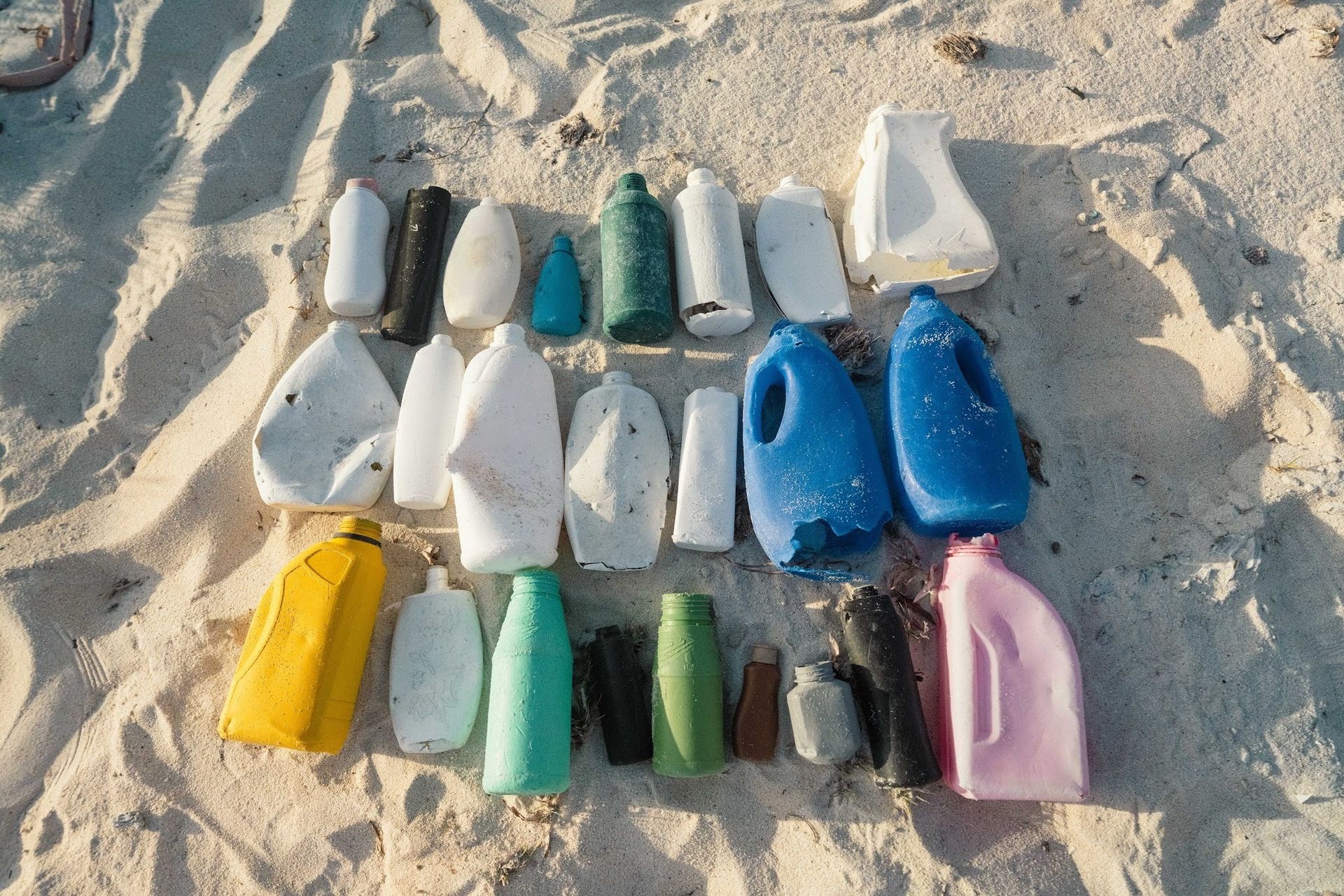
But once societies have done everything possible to reduce, there remains a pragmatic question: what happens to the plastic that still exists?
Main ingredients.
Sustainability
Every factory tends to run on solar-ready infrastructure with closed-loop water. We track every kilogram from collection to sale. Environmental performance is measured, not assumed.
Inclusivity
Everyone must have access to essential services and opportunities. We must do it with an economic model that redistributes value and knowledge.
Resilience
The world ahead will be shaped by uncertainty and crises. But it is still within our power to build economic models and ways of living together that are resilient and adaptable, so that people continue to live better, and together.
Profitability
Rethinking the Business Model.
Current business models have concentrated and specialized production tools, optimizing for a single parameter: profitability. We add three more parameters, and must therefore rethink the model.
The most durable resources are distributed. We need decentralized, circular models to capture them locally and return them to their environment. Just as solar panels, wind turbines, and small farms capture sun, wind, and pasture locally, rather than shipping oil and soy across oceans.
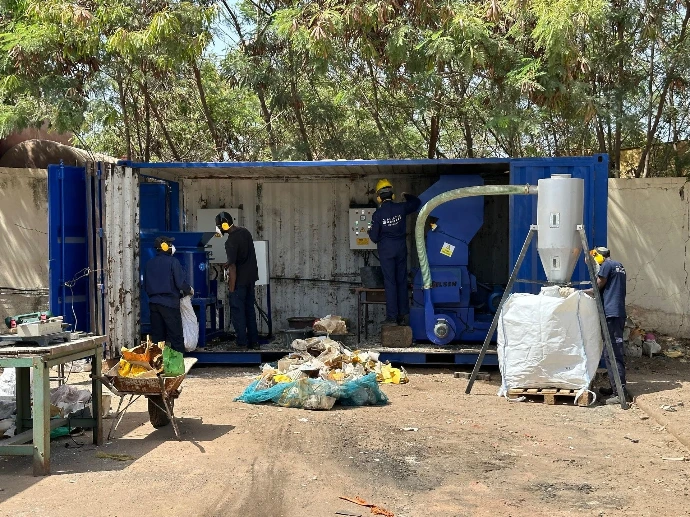
Simplify factories: Simple, robust machines designed for local operation and maintenance. Standardized units, optimized for their context, requiring know-how that is easy to transfer. Replace complex technologies with quality employment that low-and-middle-income countries need.
Anchor production in territories: Manufacture locally useful products from locally produced materials or waste. Rely on local communities to make projects succeed and protect their direct environment.
Shorten value chains: Reduce transport and its environmental impact. Reduce the fragility of supply chains. Increase margins for local entrepreneurs.
The resilience, local impact, and scalability of a decentralized system, combined with the productivity gains and power of a unified network.
Open markets at territorial and global scale: Reach the critical mass and competence to meet demanding specifications, accessing markets with better margins and higher volumes. Run feasibility studies to launch solid markets in new territories.
Share knowledge and resources: Pool R&D effort at global scale. Digitize the dissemination, translation, and sharing of know-how, building a reputation as an expert and reference in the field. Build local hubs that pool resources: technicians, commercial teams, spare parts inventory, specialized tools.
Demonstrate impact and give it value: One of our core missions is to give financial value to the impact our entrepreneurs create, so the entire system is competitive. This works on two fronts:
- Trace material flows and audit every link in the value chain. Demonstrate social and environmental impact and compliance with standards. Then share value fairly, especially with the most informal and vulnerable actors.
- Monetize impact with international private or public actors through compensation (Plastic Certificates, carbon credits) or impact dividends. Our ability to tell these stories and demonstrate significant media presence is key.
Digital technologies, especially those that create transparency and trust like blockchain, are critical levers to do this work seriously at scale.
Structure financing at global or sub-regional scale: Once profitability and replicability are demonstrated, financing the model becomes possible. The network system pools risk across a large number of businesses. Standardization and the integrated model with local hubs reduce information asymmetry between funders and entrepreneurs.
We are structuring a catalytic platform integrating public or philanthropic actors alongside private investors to finance our entrepreneurs' investments, enabling large-scale financing of this system.
Containerization, standardization, and adaptation of systems to their contexts, along with optimization of size, water, electricity, and input consumption, are technical choices designed for rapid deployment.
Decentralization is itself a powerful replication lever: every level of the network is designed to be transmitted and replicated, from regional hubs to local factories.
Digital tools to transfer competence, measure, and monetize impact at scale.
Catalytic financing tailored to our needs and structured for scaling.
Media visibility, in a world where image matters, is a major lever to attract the best talent, open doors, mobilize energy, and draw capital.
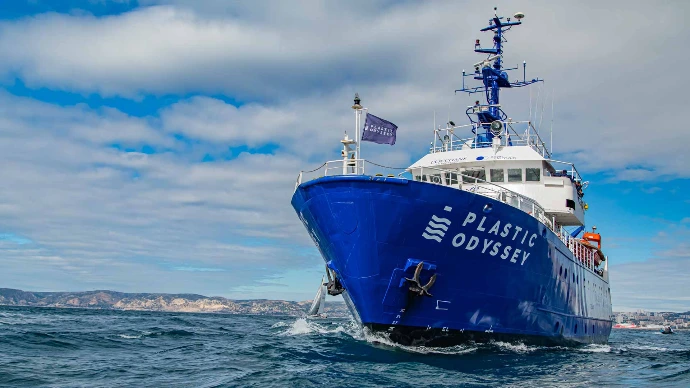
The Plastic Odyssey Expedition.
Between 2022 and 2026, the Plastic Odyssey vessel sailed across 3 continents documenting recycling solutions where plastic pollution is worst. 100+ recycling centers visited. 30+ countries. Thousands of waste entrepreneurs met. Dozens of technologies tested.